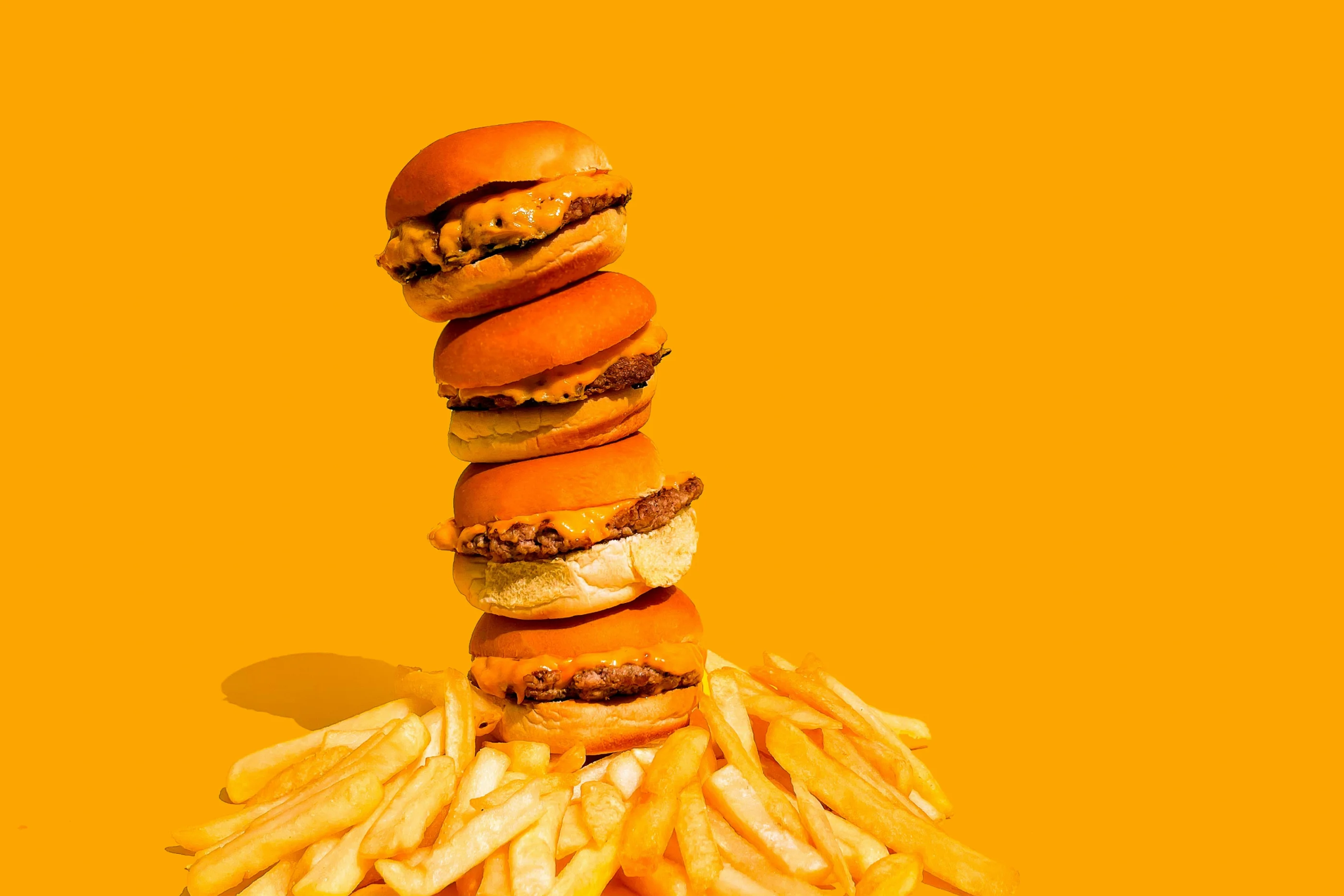

Chances are, if you eat in Britain today, a significant portion of what goes on your plate has been ultra-processed - manufactured from industrial ingredients, packed with additives, and bearing little resemblance to the original food it came from.
New research presented this month makes the cardiovascular implications of that harder to ignore: people eating the highest quantities of ultra-processed foods were 67% more likely to suffer a major cardiac event than those eating the least.
What the study found
The research was based on data from 6,814 American adults enrolled in the Multi-Ethnic Study of Atherosclerosis (MESA) - a long-running, racially diverse cohort of participants aged 45 to 84 with no known heart disease at the outset.
Participants in the highest consumption group averaged 9.3 servings of ultra-processed foods per day; those in the lowest averaged just 1.1. Compared with the low-intake group, high-intake participants were 67% more likely to die from coronary heart disease or stroke, or to experience a non-fatal heart attack, stroke, or resuscitated cardiac arrest.
The dose-response relationship was also clear: each additional daily serving of ultra-processed food was associated with a 5.1% increase in the risk of a major cardiac event.
The finding that matters most
Studies linking poor diet to worse health outcomes are not new. What makes this one notable is the specific claim it makes about why ultra-processed foods appear to be harmful.
"We controlled for a lot of factors in this study," said lead author Dr Amier Haidar. "Regardless of the amount of calories you consumed per day, regardless of the overall quality of your diet, and after controlling for common risk factors like diabetes, high blood pressure, high cholesterol and obesity, the risk associated with higher ultra-processed food intake was still about the same."
That matters because it suggests ultra-processed foods may be doing something beyond simply delivering excess sugar, salt, and fat - that the processing itself is part of the problem.
Previous research points to possible mechanisms including effects on gut microbiota, inflammatory pathways, plastic packaging contaminants, and the way ultra-processed products disrupt satiety signalling and promote overconsumption. None of this is definitively settled, but the consistency of findings across multiple large studies is notable.
Why this is particularly relevant in Britain
The UK has one of the highest ultra-processed food consumption rates in the world. Analysis of the UK National Diet and Nutrition Survey found that adults in Britain already derive more than half of their total dietary energy from ultra-processed foods - and the UK ranked third globally for ultra-processed food sales per capita among 80 high and middle-income countries, at 140.7 kg per person per year.
So, what do I need to do?
Common examples of UPFs include packaged snacks, crisps, breakfast cereals, soft drinks, processed meats, flavoured yoghurts, instant noodles, mass-produced breads, and ready meals.
Consumption of the above can be reduced, but researchers also point to food labels as a practical starting point: paying attention to added sugar, salt, fat, and carbohydrate content can help identify the most heavily processed products. Comparing against simpler alternatives - plain oatmeal rather than flavoured instant sachets, fresh or frozen produce rather than convenience meals, whole nuts rather than snack bars - is a reasonable and achievable shift for most people.
The goal isn't perfection. It's awareness of a pattern that, at high levels of consumption, appears to carry meaningful cardiovascular risk - and the knowledge that reducing it, even incrementally, may be worth more than it looks.