
If you're trying to conceive - naturally or through IVF - you've probably been told to abstain from sex for several days beforehand to maximise sperm count. It's standard advice, repeated in fertility clinics and NHS guidance alike. New research published by scientists at the University of Oxford suggests that advice may be getting things back to front.
What the Oxford study found
The study, published on 25 March 2026 , is the most comprehensive analysis of sperm storage ever conducted. The team from Oxford's Department of Biology, pooled data from 115 human studies involving nearly 55,000 men, alongside 56 animal studies covering 30 non-human species. The pattern was consistent across the animal kingdom: sperm deteriorates the longer it is stored in the male body.
In men specifically, longer periods of sexual abstinence were associated with increased DNA damage and oxidative stress in sperm, alongside reduced motility and viability. In plain terms: the older the stored sperm, the less functional it tends to be. Crucially, this deterioration appeared to occur regardless of a man's age - it is the age of the sperm itself, not the man, that matters.
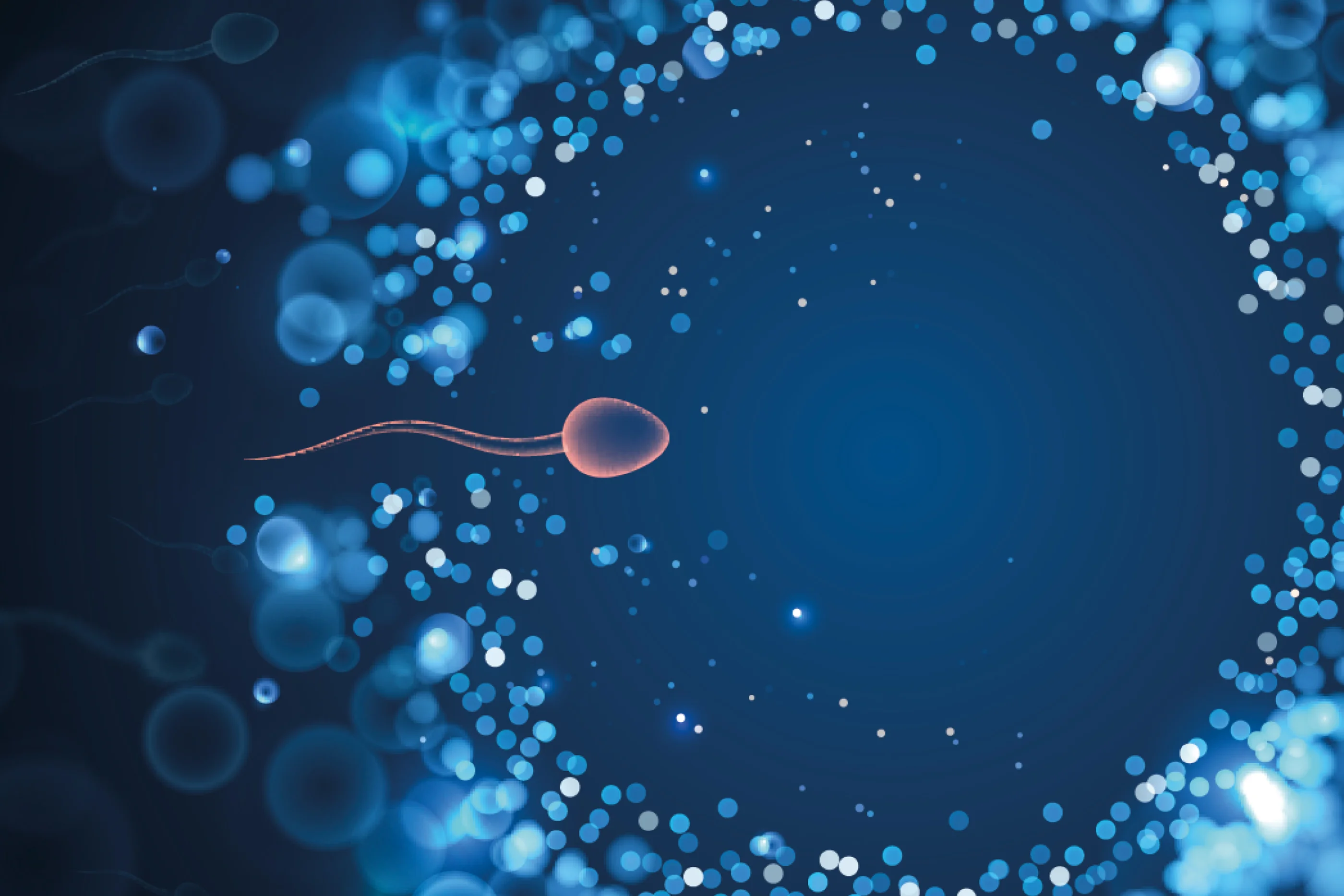
To explain the biology: sperm cells are unusually fragile because they are highly mobile and have minimal capacity to replenish their energy reserves or repair damage. This makes them particularly vulnerable to the effects of storage.
The problem with current guidelines
The World Health Organisation currently recommends that men abstain from ejaculating for two to seven days before providing a sperm sample for fertility tests or IVF. That guidance was designed to maximise sperm count - not sperm quality. The Oxford research suggests these are not always the same thing, and that the upper end of the WHO's seven-day window may be too long.
There is nuance here: if count is the only goal, abstinence remains relevant. But for most couples - and especially those undergoing IVF - quality matters just as much, if not more.
It is worth noting that the Oxford meta-analysis itself did not find a statistically significant impact of abstinence on fertilisation rates in humans. A separate but related finding comes from a recent clinical trial of 453 couples undergoing IVF, which found that men who abstained for less than 48 hours had an ongoing pregnancy rate of around 46%, compared with roughly 36% in those following the standard longer abstinence protocol. That trial adds real-world weight to the laboratory findings, though independent experts have noted it included both fresh and frozen embryo transfers, and that replication in larger trials would be valuable before widespread clinical protocols change.
What this means for couples trying naturally
For couples trying to conceive without assisted reproduction, the guidance is less clear-cut. It’s recommended to think in terms of balance: abstain too long, and sperm quality may suffer; abstain too briefly, and there may not be sufficient sperm volume or maturity. Somewhere between the extremes is likely optimal, though the research does not yet define a precise ideal frequency.
What to Take Away From This Research
The conventional wisdom around abstinence before fertility treatment is not wrong, exactly - it's incomplete. Sperm count and sperm quality are both real considerations, and they sometimes pull in opposite directions. This research, drawing on decades of evidence and nearly 55,000 men, adds important weight to the case for shorter abstinence windows, particularly in IVF settings. If you are working with a fertility clinic, it is worth raising this directly with your clinical team.