
Bowel cancer is the second most common cause of cancer death in the UK. Around 42,000 people are diagnosed every year - that's one diagnosis roughly every 12 minutes - and yet it remains one of the cancers most likely to be caught too late. Part of the problem is that the tests we currently rely on to investigate symptoms, like colonoscopy or biopsy, are invasive, expensive, and not something most people pursue until things have progressed.
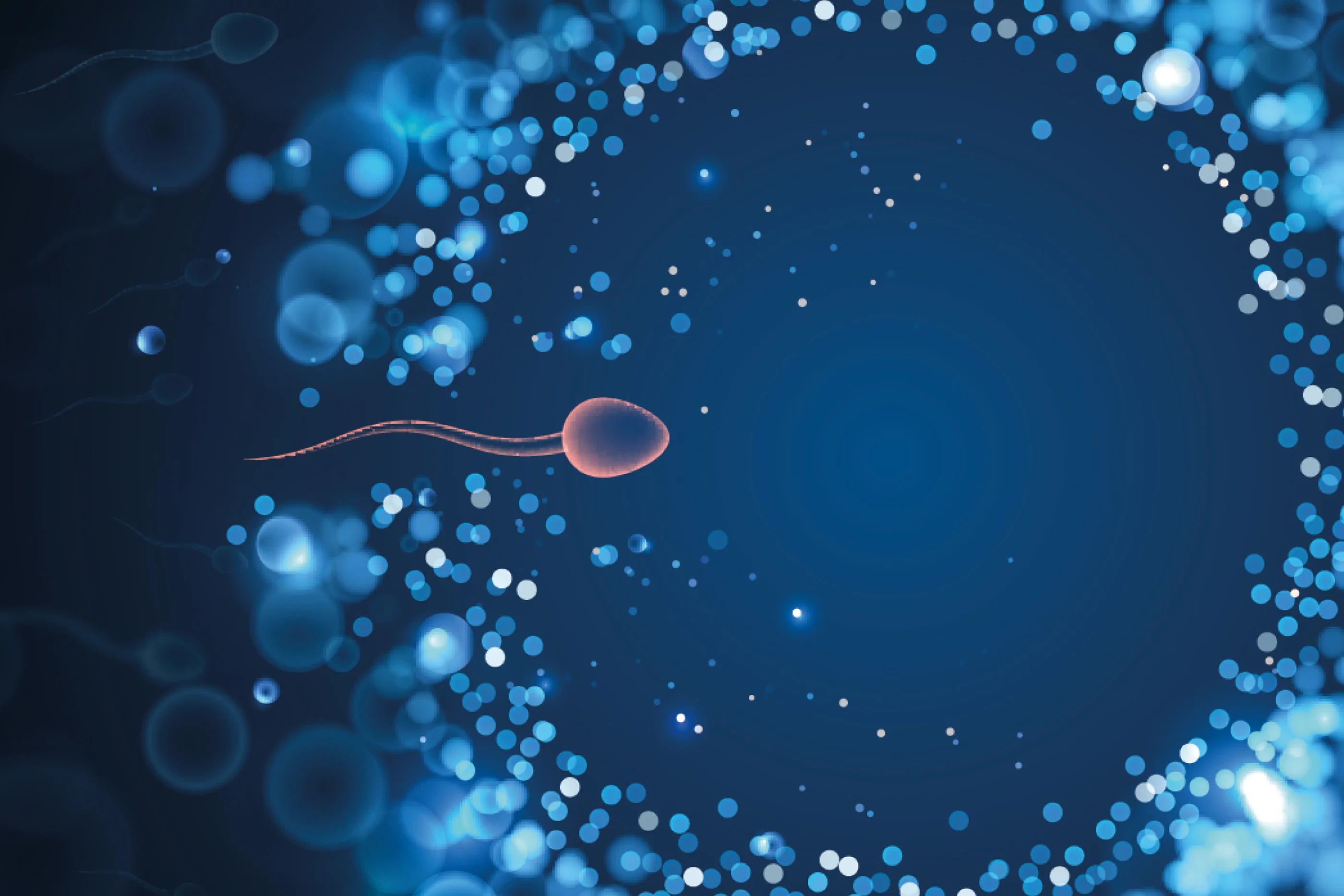
That's why a piece of research published recently by scientists at the University of Birmingham caught attention: it suggests that our own gut bacteria might one day do some of the diagnostic heavy lifting - without anyone needing to go near an endoscope.
What the Scientists Found
The research team used AI and machine learning to analyse gut microbiome and metabolite data drawn from patients already diagnosed with three conditions: gastric cancer, colorectal cancer, and inflammatory bowel disease (IBD).
What they were looking for was patterns - specific bacteria and chemical compounds, known as metabolites, that appeared consistently in patients with each condition. What they found went further than that.
Not only could they identify disease-specific "gut fingerprints," but models trained to recognise markers for one condition could often identify markers associated with another. An AI model built using gastric cancer data, for example, was able to identify biomarkers associated with IBD. One trained on colorectal cancer data could accurately flag markers related to gastric cancer.
The key word throughout is "biomarkers" - these are measurable biological signals, not diagnoses. This is early-stage computational research based on existing patient data, and the researchers are careful to say that much larger and more diverse patient groups will need to be studied before any clinical application is possible.
Why This Matters If You Live in Britain
The conditions under the microscope here are significant ones for UK public health. According to Cancer Research UK, around 17,700 people die from bowel cancer in Britain every year - about 48 every day. Despite an NHS screening programme that has been running for two decades, late-stage diagnosis remains a serious challenge, particularly in younger adults where clinical suspicion is often lower.
IBD - the umbrella term for Crohn's disease and ulcerative colitis - is also a growing concern. Crohn's & Colitis UK estimates that around 540,000 people in the UK are currently living with the condition, and Britain has one of the highest rates of IBD in Europe. Importantly, people with IBD face a higher risk of developing colorectal cancer over time - a link that this new research may help explain through shared biological pathways.
The Cross-Disease Connection
One of the more striking aspects of the study is what it implies about how these diseases relate to each other. Gastric cancer, colorectal cancer, and IBD are usually treated as distinct conditions with separate diagnostic pathways. But the overlapping biomarkers the researchers found suggest they may share some underlying biological mechanisms - and that understanding one condition could help detect another.
Specific bacterial groups featured prominently. In colorectal cancer patients, species like Fusobacterium and Enterococcus appeared alongside metabolites including isoleucine and nicotinamide. In IBD, bacteria from the Lachnospiraceae family were significant, alongside metabolites that also appeared in cancer-related processes. In gastric cancer, changes in the metabolites dihydrouracil and taurine were observed, alongside bacteria from the Firmicutes and Bacteroidetes groups.
The team also ran computational simulations of how gut microbes grow and interact, which revealed clear metabolic differences between healthy individuals and those with disease - further strengthening the case for these biomarkers as potential diagnostic signals.
Where This Research Goes Next
The researchers are clear that this is foundational work, not a finished product. Their next steps are to validate their models using larger and more diverse patient groups, and to explore whether the biomarkers they've identified could eventually underpin non-invasive diagnostic tests - the kind that might be conducted through a stool sample or a blood test rather than an endoscopy suite.
The lead co-author described the goal as developing "universal diagnostic tools" that could potentially work across multiple gastrointestinal conditions at once. It's an ambitious direction, and clinical validation will take time. But the underlying logic is compelling: if the gut consistently produces measurable signals ahead of serious disease, finding reliable ways to read those signals early could change outcomes significantly.
Checking Your Bowel Health at Home
If this research has prompted you to think about your own bowel health - especially if you've been putting off acting on symptoms, or if bowel cancer runs in your family - it's worth knowing that at-home screening is available now.
Our Newfoundland Bowel Self-Test uses the faecal immunochemical test (FIT) method, the same approach used in the NHS bowel screening programme. It's CE marked and checks for traces of blood in the stool, which can be an early indicator of bowel changes that warrant further investigation. It won't tell you whether you have cancer, but it can give you a meaningful data point to take to your GP - particularly useful if you're between routine screening ages or simply want to stay on top of your gut health.